

It is a glorious thing, apparently, to have something named after you or for your name to become a word.
Many a royal personage has an eponymous country. The Philippines is named after King Philip II of Spain and Mauritius is named after Maurice of Nassau, Prince of Orange. Explorers such as Amerigo Vespucci (America), Capt James Cook (Cook Islands) and Christopher Columbus (Colombia) are all eponym owners, as well as political leader Simón Bolívar (Bolivia) and saints such as St Marinus (San Marino) and St Dominic (Dominican Republic).
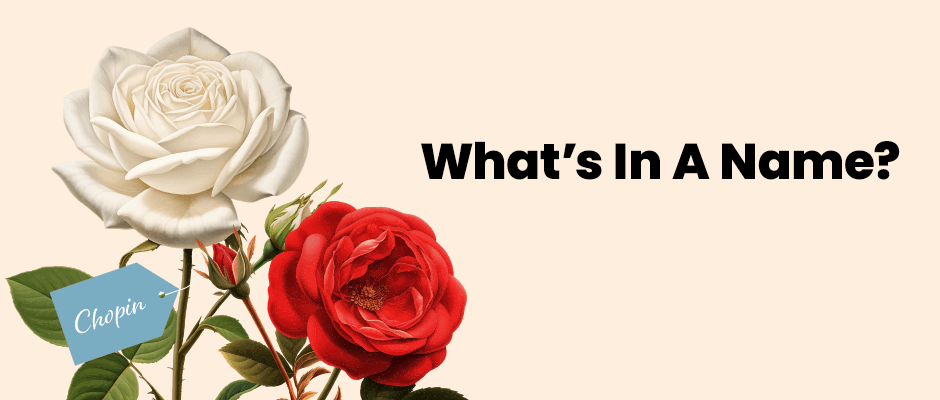
Roses have been named after all sorts of people, from Chopin to Freddie Mercury. It must also be satisfying to have an invention named after you, such as Dr Martens boots (after German Dr Klaus Märtens), the leotard (after French acrobat Jules Léotard) and the Zeppelin airship (after German general Ferdinand von Zeppelin).
These scientific names may ring a bell – Irish hydrographer Sir Francis Beaufort, Swedish astronomer Anders Celsius or Polish/Dutch physicist Daniel Fahrenheit?
However, it may not be so thrilling to give your name to something unpleasant or unwanted. The large mortar known as Big Bertha was named after Bertha Krupp, heiress and owner of the Krupp industrial empire that first developed the weapon. From the Bible, Jonah is known as a bringer of bad luck, Jezebel is a brazen woman and Judas is a traitor.
Captain Charles Boycott lent his name, unwillingly, to the practice of boycotting. Gerrymander, chauvinism, guillotine and dunce are all named after men who would probably prefer to be remembered for something else.
As Steve Martin once joked: “First the doctor told me the good news: I was going to have a disease named after me.”
Happy Puzzling!

Recent Comments